
Education
September 29, 2026
From Vision to Shelf: What Marou Chocolate Teaches Us About Creative Partnership
# Branding
# Packaging
# Creativity
# Sales and Marketing
# Strategy
# Summit
# APJ
A distinctive brand is not created by design alone. It emerges when the brand, creative agency, and print partner work together — early, openly, and with a shared commitment to quality.
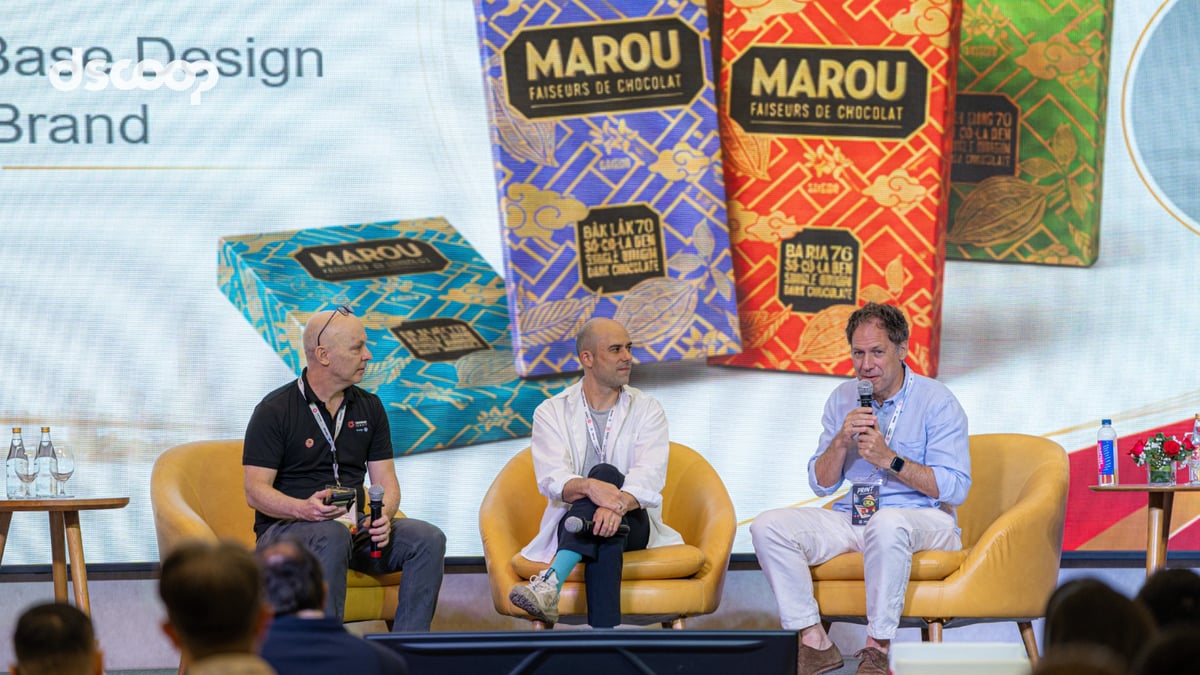
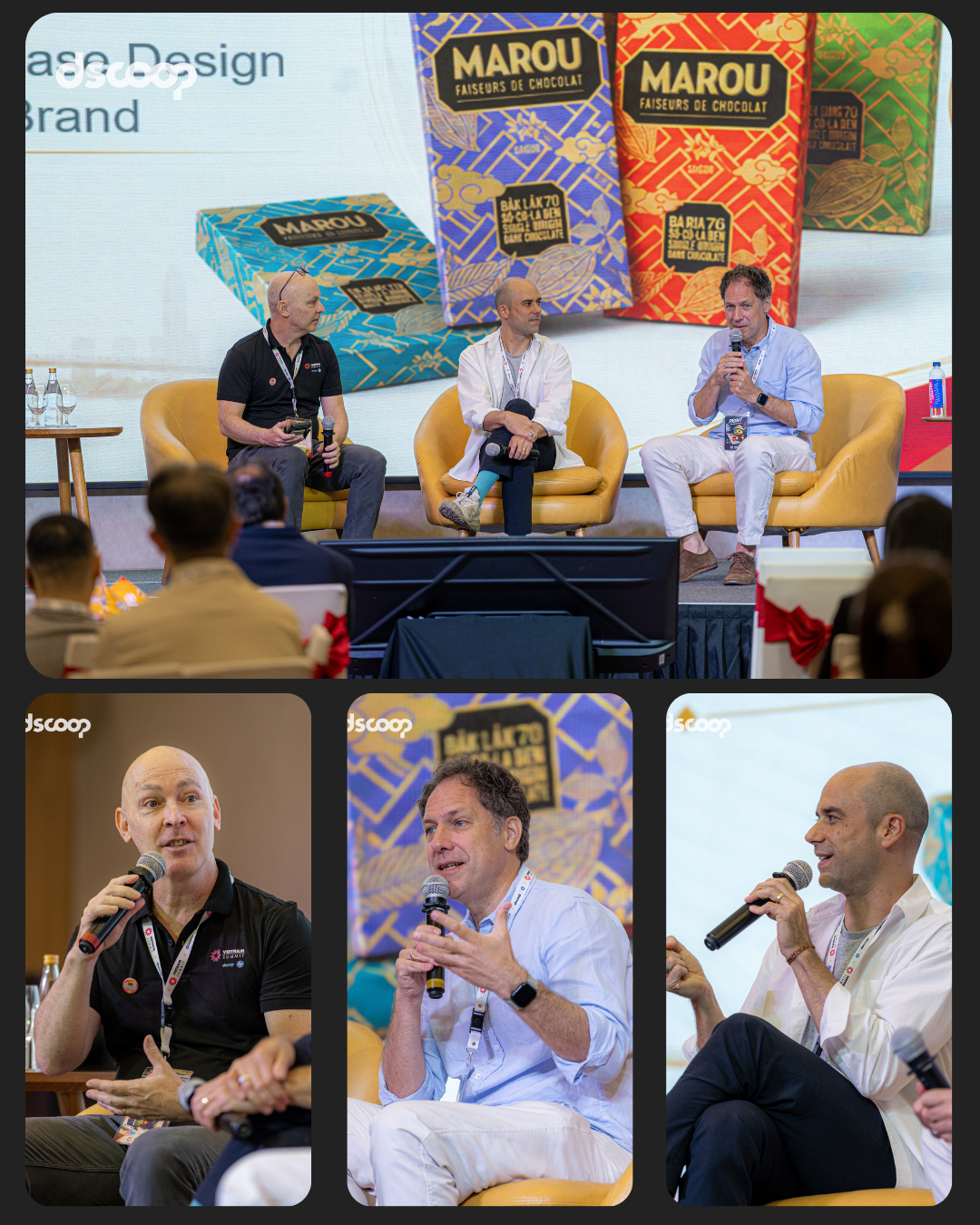
At the Dscoop Vietnam Summit , moderator Lindsay Nutley spoke with Vincent Monroe of Marou Chocolate and Joshua Breidenbach of Rice Creative about the collaboration behind one of Vietnam’s most recognisable brands. Their conversation offered a valuable lesson for print service providers: The printer’s greatest contribution is not simply producing what has already been designed. It is helping the brand and agency discover what the product can become.
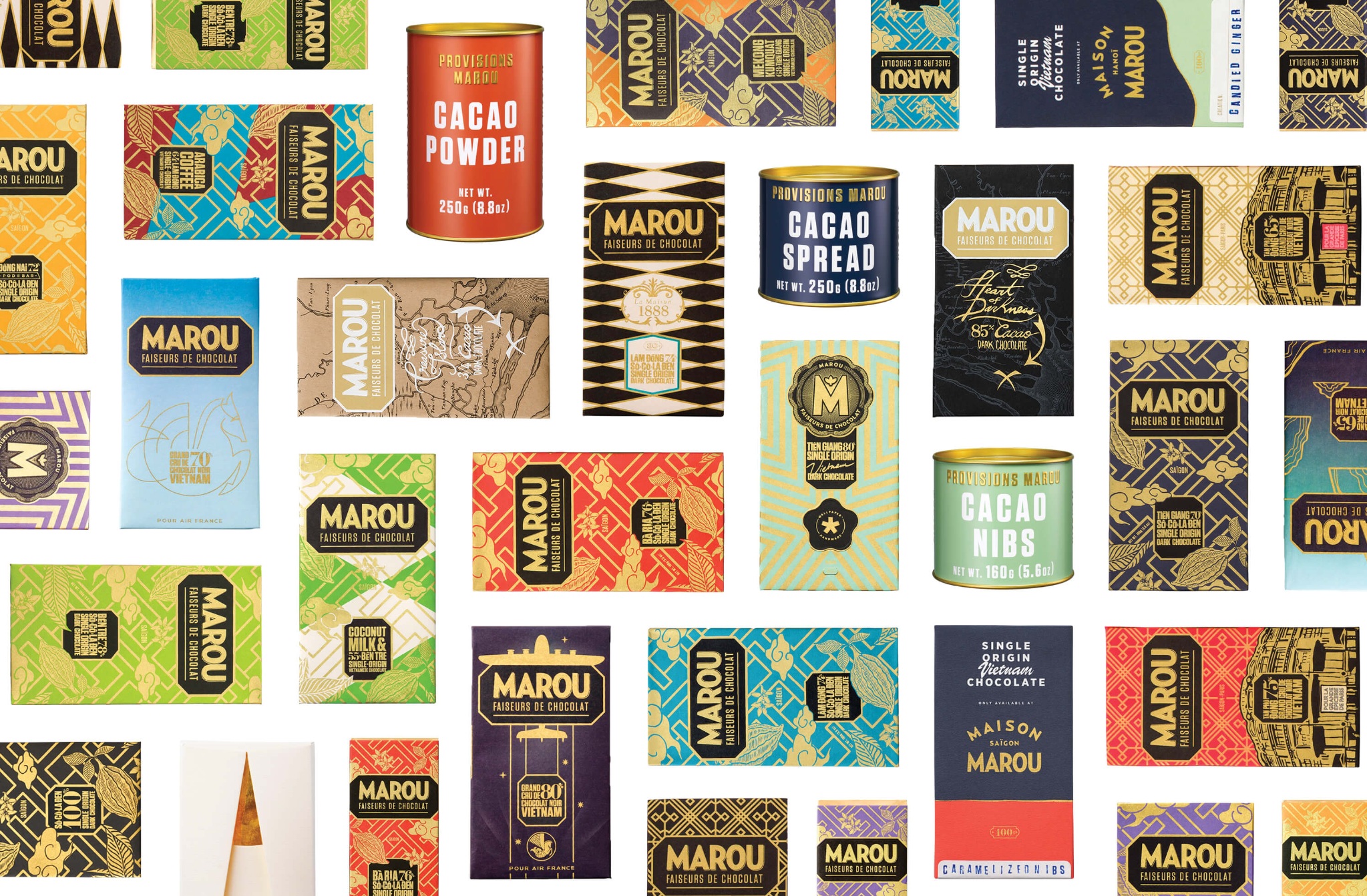
Translating a brand into a physical experience
Marou’s identity begins with its chocolate: the flavour, Vietnamese cacao origins, artisanal production, and long-standing relationships with farmers and local communities.
The challenge for Rice Creative was to translate those qualities into something customers could immediately understand. On a busy retail shelf, shoppers may know nothing about the farms, ingredients or people behind a product. Its packaging therefore has to communicate quickly while remaining true to the brand.
That translation extends beyond graphics. Colour, paper, texture, metallic details, printing processes, and the way a package feels in the hand all contribute to the experience. For Marou, packaging is not merely a container. It connects the story of the product to the moment of purchase and, ultimately, to the moment of tasting.
This is where a print service provider can create significant value.
Become part of the development process
Printers are sometimes introduced only after the strategic and creative decisions have been made. At that stage, the conversation is often reduced to specifications, price and delivery.
The session challenged this model.
When PSPs participate earlier, they can help evaluate:
- Material choices and availability
- Production feasibility
- Printing and finishing techniques
- Food-safety requirements
- Sustainability opportunities
- Minimum order quantities
- Cost implications
- Scalability from prototype to commercial production
Early involvement is particularly valuable when a brand is creating an unusual format or trying to produce something that has not been made before. A PSP that understands the intended customer experience can do more than confirm whether a specification is printable. It can suggest better materials, introduce unfamiliar technologies and help the creative team reach an outcome it may not have considered.
Replace “That’s impossible” with “Let’s explore it”
Joshua shared the story of Marou’s original print partner: a small, entrepreneurial business that had primarily produced items such as wedding invitations.
It stood out because its owners were curious and willing to experiment. They explored screen printing, embossing, and unconventional production techniques with the creative team. When presented with something unfamiliar, they were prepared to work out how it might be done. That attitude helped the printer, agency, and brand grow together.
The lesson is that a technical limitation should begin a useful conversation rather than end one. Instead of saying no, a PSP can ask:
- What experience is the brand trying to create?
- Which aspect of the idea is most important?
- Is there another process that could produce a similar effect?
- Can we create a prototype before committing to production?
- Could the idea work at a smaller scale or through a phased launch?
- What would have to change to make it commercially viable?
Treat sampling as a creative service
Sampling can be difficult for printers. It takes time, interrupts established workflows, and may involve high costs for a very small quantity.
For brands and designers, however, samples are an essential thinking tool. A sample allows them to assess colour, scale, tactility, and shelf presence before making a larger commitment. It can reveal opportunities and problems that remain invisible on a screen.
Marou sometimes tests new visual ideas using labels before producing a finished wrapper. The purpose is to understand how the design feels and whether it has the required visual impact. This creates an opportunity for PSPs to reconsider sampling as more than a miniature production order. A strong sample can help define the final product, persuade internal decision-makers, and reduce the risk of a commercial launch.
Printers can add further value by presenting an intelligent alternative alongside the requested sample. That additional version might demonstrate a different material, finish, colour treatment, or production method. It shows that the PSP understands the objective behind the specification.
Protect distinctiveness
Modern print production makes it possible to achieve excellent quality quickly and consistently, but efficiency can also lead to sameness. When familiar substrates, finishes, and processes are repeatedly chosen because they are convenient, brands may begin to look and feel alike. The result can be technically impressive but strategically unremarkable.
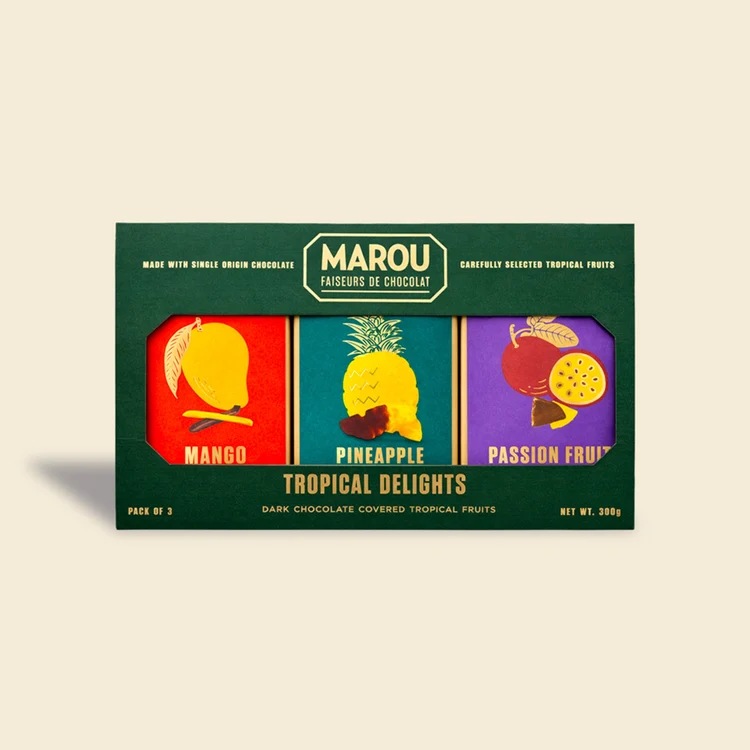
Marou’s packaging succeeds because it is unmistakably Marou. Its regional colours, decorative details, and tactile qualities create a coherent system while allowing individual products to retain their own identities. Customers have even been known to keep and collect the wrappers.
For a PSP, the important question is not only, “Can we print this well?” It is also, “Will this execution help the brand remain recognisable and distinctive?”
Achieving that result may require more experimentation. As Joshua observed during the discussion, the difficult route should not be chosen merely for the sake of difficulty. Sometimes, however, it is the route required to preserve the integrity of an idea.
Help creative and purchasing teams understand each other
A recurring tension exists between creative ambition and commercial reality. Brand and design teams may concentrate on emotion, originality, and customer experience. Purchasing teams are responsible for unit costs, lead times, volumes, and minimum order quantities. Both perspectives are legitimate, but problems arise when the conversation is reduced to only one of them.
PSPs are well placed to bridge this divide. Rather than discussing price in isolation, printers can explain the relationship between a production decision and the value it creates. They can identify which details are essential to brand recognition, where efficiencies can be introduced safely and where a cost reduction may noticeably weaken the result.
This may involve proposing:
- A more economical process that retains the key tactile effect
- Different specifications for initial and high-volume production
- A limited launch before full commercialisation
- Material optimisation that improves both sustainability and cost
- Multiple options showing the relationship between price and impact
Relationships create better print
Technology is important, but the speakers repeatedly returned to relationships. Brands do not want to search for a new supplier every time a challenge appears. They value partners who understand their expectations, remember what has worked before, and can anticipate what the brand will — and will not — accept.
That understanding develops over time. It requires reliability, curiosity, and honest communication on both sides. A trusted PSP becomes part of the brand’s institutional knowledge. It no longer receives isolated print jobs; it helps maintain consistency, solve new problems, and protect brand equity as the business grows.
9 tips PSPs can take away
The conversation between Marou and Rice Creative suggests several practical principles:
- Get involved early. Seek opportunities to contribute while formats, materials and experiences are still being defined.
- Understand the intention behind the specification. Ask what the brand wants customers to see, feel and remember.
- Offer solutions and alternatives. When the original idea is not feasible, help identify another route to the desired effect.
- Use sampling strategically. Treat prototypes as tools for exploration, persuasion and risk reduction.
- Bring your technical knowledge into the creative conversation. Designers may not know every material, process or technology available to them.
- Help protect distinctiveness. Technical quality matters, but so does ensuring that the finished product could belong only to that brand.
- Translate cost into value. Help creative and purchasing teams understand the consequences of each production choice.
- Think beyond the first order. Consider how an idea can progress from prototype to limited launch and then to commercially viable volume.
- Build long-term relationships. Trust, shared knowledge and a willingness to experiment can be more valuable than any single piece of equipment.
From supplier to creative partner
Every substrate, texture, colour, and finishing decision influences how customers understand a product. A PSP that joins the conversation early and contributes ideas can help transform an attractive design into a memorable brand experience.
The opportunity is to move beyond answering, “Can we produce this?” to “What can we help create together?”
Dive in