Showcase
October 27, 2026
How r-pac Became a Strategic Partner to the LEGO Group
# Packaging
# Digital Printing
# Sustainability
# Brands
# Operations
# Leadership
# APJ
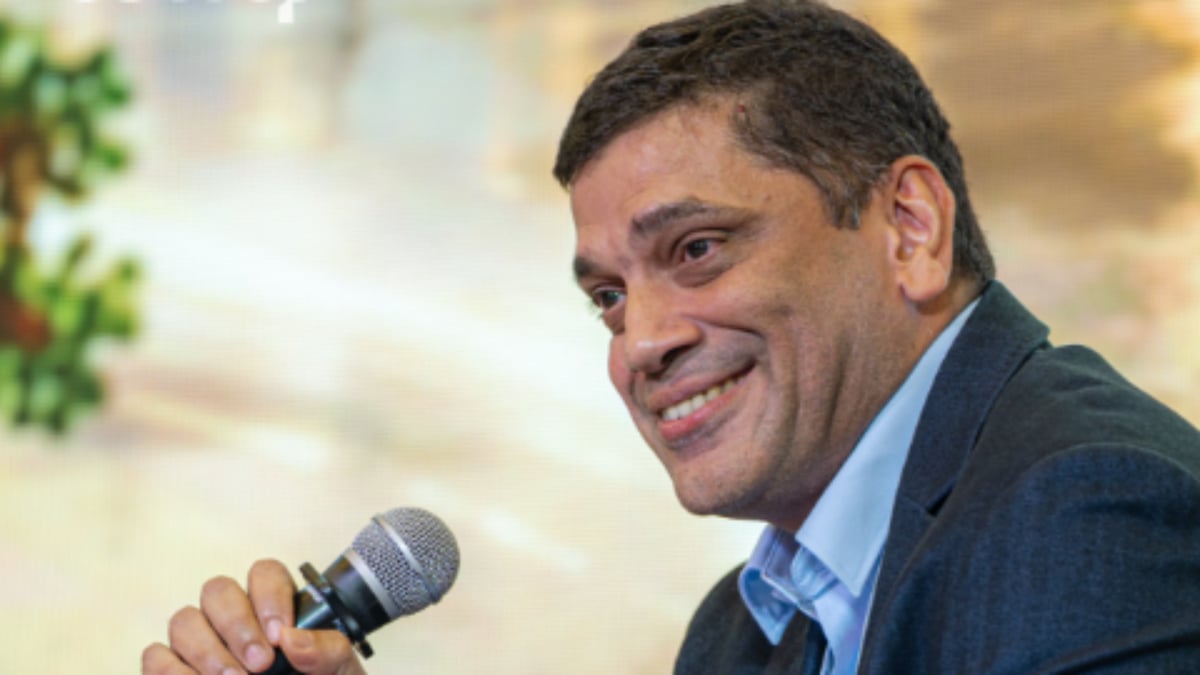
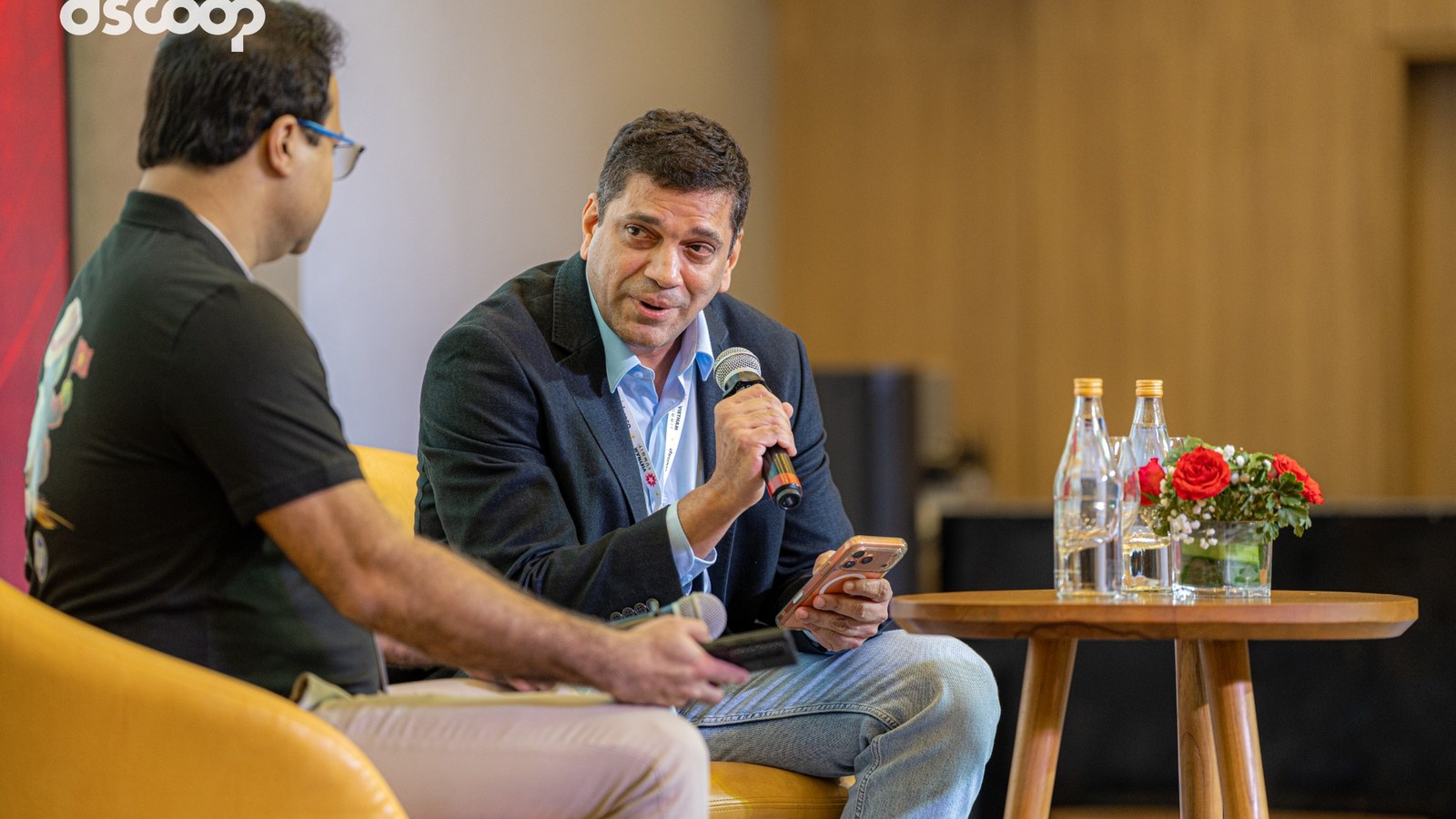
Niranjan Aluwihare, managing director of r-pac Vietnam, exemplifies and discusses the changing role of packaging providers.
For many years, conversations in the printing industry focused primarily on machinery, formats, production capacity, and price. Today, global brands are asking more complex questions. Consumers expect greater product variety, more frequent changes, and faster delivery, while brands face increasingly stringent sustainability and regulatory requirements. This creates demand for shorter production runs, better inventory control, and supply chains that can respond quickly to changing market conditions.
According to Niranjan, price remains important, but it is no longer the only consideration. Brands now evaluate the total value offered by a packaging partner, including speed to market, sustainability, compliance, flexibility, and supply chain resilience. As a result, packaging providers are becoming more closely involved in their customers' operations, contributing to planning, risk management, quality assurance, and inventory decisions rather than simply receiving orders and printing them.
The LEGO Group's establishment of a major manufacturing facility in Vietnam created an opportunity for r-pac to become one of its key printing partners. Winning the business, however, required far more than demonstrating sufficient production capacity. r-pac underwent an intensive evaluation and qualification process lasting approximately two years, during which the company needed to demonstrate its ability to manage between 500 and 600 designs or stock-keeping units, accommodate rapid changes, and maintain strict standards across quality, safety, and regulatory compliance. It also had to protect highly confidential information relating to LEGO products and characters that had not yet been released.
The process required r-pac to review and strengthen nearly every part of its operation, including production processes, quality controls, restricted-substance compliance, information security, and workforce training. Niranjan describes the experience as one of the company's most challenging, but also most rewarding, undertakings. By the end of the evaluation, r-pac had earned a position as a primary print supplier while developing capabilities that made the organization stronger and more adaptable.
Digital printing changes the equation
One of r-pac's most important contributions is introducing digital printing into an environment that historically relied on offset production. Digital printing is particularly well suited to the LEGO Group's need for numerous designs, variable production volumes, and shorter lead times. It allows production to align more closely with actual demand, reducing the risk of overproduction and obsolete inventory.
The transition nevertheless requires a change in mindset. Niranjan explains that some experienced packaging professionals still believe digital printing cannot match the quality of offset. He recalls a revealing test involving one of the LEGO Group's senior print-quality experts. r-pac was asked to produce the same job using a high-quality offset press and its digital press. When the two printed sheets were presented, the expert confidently identified one as the offset version based on its superior appearance. It was, in fact, the digitally printed sheet.
The digital result was so strong that r-pac subsequently had to adjust it to ensure consistency with products already being manufactured through conventional processes. For Niranjan, the experience illustrates an important principle: seeing and testing the finished product is often the most effective way to overcome resistance to new technology.
The advantages extend beyond print quality. Niranjan challenges the assumption that sustainability necessarily increases production costs, explaining that the price of an individual printed sheet tells only part of the story. A more complete calculation includes setup time, changeovers, excess production, inventory, press utilization, and the opportunity cost of occupying equipment with long conventional runs.
Digital printing can eliminate printing plates, reduce setup requirements, and allow many different jobs to be produced during the same day. It also enables brands to order more accurately instead of purchasing large quantities that may later become obsolete. These improvements can reduce waste and carbon impact while increasing operational agility, often without adding cost and, in some circumstances, while lowering it.
The initiative also involves the development and validation of mineral-oil-free inks for digital production. Working with the HP global team, r-pac must ensure that the inks and printed products satisfy the LEGO Group's Restricted Substances List and other stringent testing requirements. Niranjan points to this collaboration as an example of how sustainability depends not only on materials, but also on technology, production planning, and cooperation across the supply chain.
Security on the scale of an airport
Producing packaging for hundreds of unreleased products introduces another major challenge: confidentiality. Before a LEGO product reaches the market, its packaging may reveal new sets, designs, or characters. Protecting this information requires r-pac to maintain extensive security measures across a manufacturing operation employing more than 1,500 people.
Niranjan compares entering and leaving the factory to passing through an airport. Employees and visitors may be checked several times, while mobile phones and other devices are tightly controlled in sensitive production areas. These measures were difficult to implement, but they have become another lasting capability developed through the partnership.
The security requirements also illustrate how much the role of a packaging provider has expanded. Protecting a customer's intellectual property is now part of delivering a finished product, alongside meeting quality specifications, production deadlines, and regulatory standards.
Trust is earned through delivery
When asked how r-pac builds trust during such a lengthy qualification process, Niranjan emphasizes credibility and consistent execution. The company is careful not to overpromise. Instead, it concentrates on delivering every commitment it makes, remaining open to change, and demonstrating a willingness to invest the effort needed to solve unfamiliar problems.
Trust, in this context, is not created through a single presentation or technical demonstration. It accumulates through hundreds of actions: meeting specifications, passing tests, protecting information, and responding constructively when requirements change. Each successful step gives the customer greater confidence in the supplier's ability to handle the next challenge.
The lessons and systems developed through the LEGO relationship have since strengthened r-pac's offering to other leading customers. However, Niranjan explains that the company applies these capabilities selectively, focusing on customers with whom it seeks deep, long-term relationships. That approach reflects a broader philosophy: the greatest value comes when a packaging provider understands a customer's business well enough to anticipate needs, address risks, and contribute to long-term success.
From supplier to strategic partner
Looking towards 2029, Niranjan expects packaging companies to become even more integrated into their customers' supply chains. Brands are becoming more knowledgeable about printing technology, while expectations for customization, agility, and speed to market continue to rise. Lead times are getting shorter, and automation is becoming essential for managing growing numbers of designs and production changes.
As the r-pac and LEGO journey demonstrates, the future of printing is about becoming an indispensable part of the customer's supply chain.
Sign in or Join the community
Innovating Print, Together

Create an account
Innovating Print, Together