Showcase
August 10, 2026
How EPL Reached Its EcoVadis Platinum Goal
# Sustainability
# APJ
# India
India-based EPL earned a place among the world’s top 1% of sustainable companies. Company leader Jayesh Boraste shares the story — a team effort that required years of determination, collaboration, and continuous improvement.
By Jayesh Boraste, EPL Limited
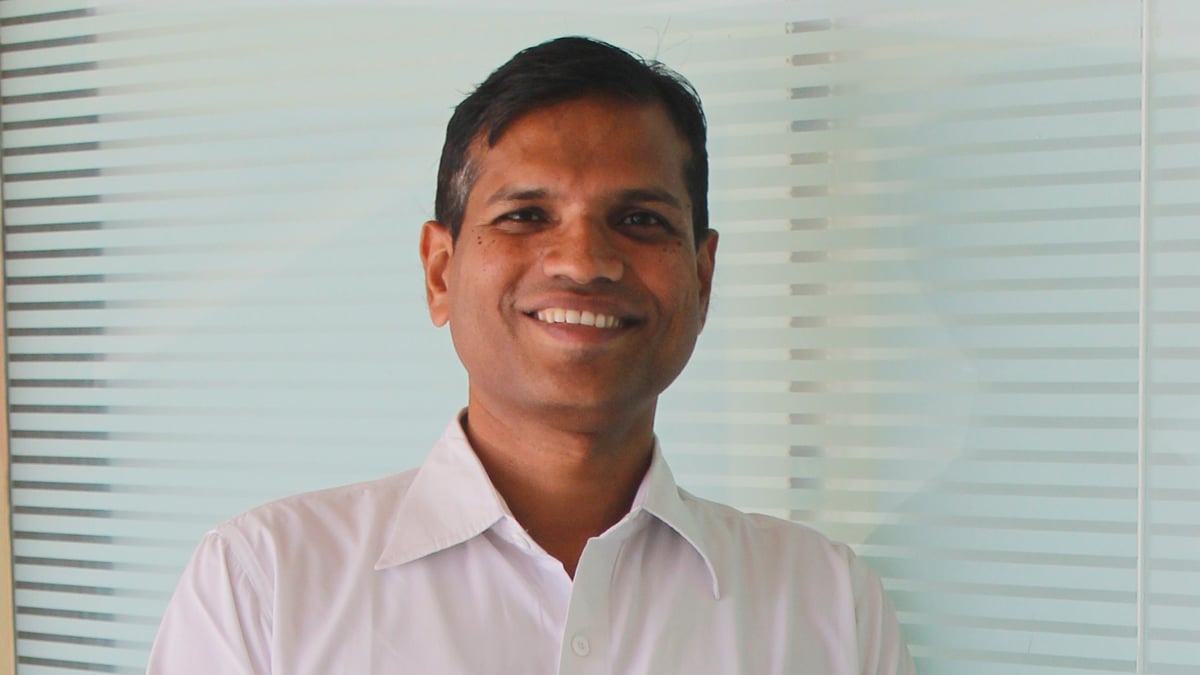
Jayesh Boraste is the Global General Manager – Quality Assurance & Sustainability (Global) at EPL Limited , where he leads the company's global sustainability strategy across manufacturing operations in 22 plants across 11 countries. He is responsible for climate action, circular economy, water stewardship, responsible sourcing, sustainability reporting, and ESG performance. Under his leadership, EPL has achieved the EcoVadis Platinum Rating, CDP Climate and Water Leadership ratings, and Science Based Targets initiative (SBTi) validation. EPL Limited is the world's largest specialty packaging company focused on laminated tubes used for oral care, beauty, pharmaceutical, food, and consumer goods brands. With manufacturing facilities across 11 countries, the company supplies sustainable packaging solutions to many of the world's leading fast-moving consumer goods (FMCG) and healthcare companies.
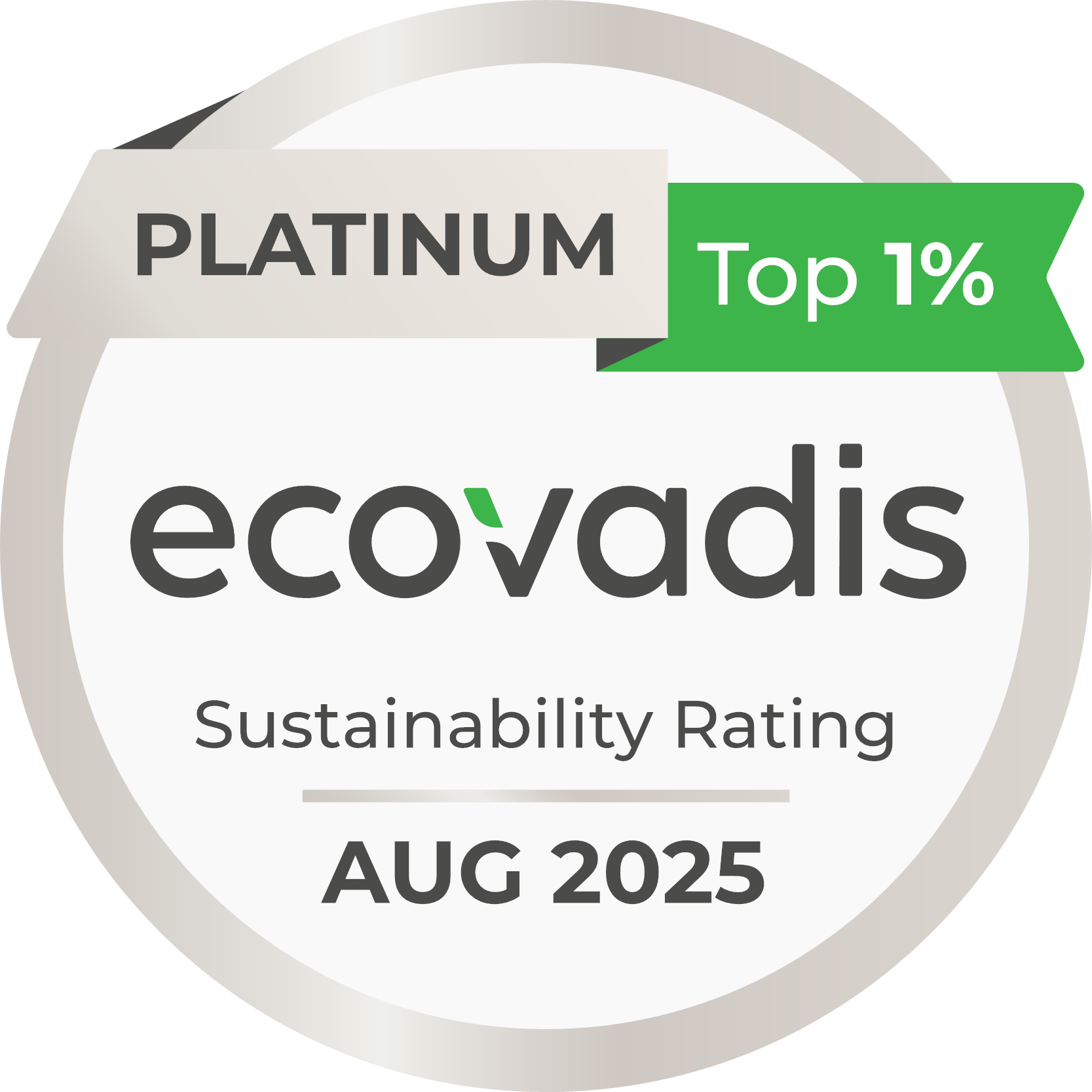
Five years ago, I never imagined I would be writing these words: EPL was awarded the EcoVadis Platinum Rating for 2025 , placing us among the top 1% of more than 150,000 companies assessed worldwide.
When the results were announced, my first reaction was one of quiet reflection rather than celebration. Because behind that single word — "Platinum" — lies years of determination, collaboration, and continuous improvement. It represents thousands of decisions made across our global operations, countless hours invested by dedicated teams, and an unwavering belief that sustainability should be embedded into the way we do business.
This is the story of how we got there.
An Ambitious Goal
Our CEO and COO set a bold ambition — to achieve the EcoVadis Platinum Rating and establish EPL as one of the world's most sustainable specialty packaging companies.
That ambition transformed sustainability from a compliance exercise into a strategic business priority and laid the foundation for everything that followed.
EcoVadis is one of the world's most widely used independent sustainability assessment platforms. More than 150,000 companies from over 185 countries are evaluated across four pillars: Environment, Labour & Human Rights, Ethics, and Sustainable Procurement.
Companies are assessed not only on policies, but also on measurable performance, governance systems, certifications, evidence of implementation, and continuous improvement. Independent analysts review hundreds of supporting documents before assigning a score.
The Platinum Rating is EcoVadis' highest recognition, awarded only to companies ranked within the top 1% of all businesses assessed worldwide. It reflects years of consistent performance rather than a single project or initiative.
That ambition turned sustainability from an “initiative” into a strategic imperative — a promise to our customers, our investors, our people, and ourselves. We built a Global Sustainability Steering Committee so the goal had a real engine behind it. The committee was established because we knew sustainability could not be managed by one department. Every major business function influences environmental and social performance, from procurement and manufacturing to innovation, finance, and human resources. The committee was chaired by our Managing Director and Chief Operating Officer, with leadership participation from operations, procurement, technology, R&D, HR, finance, quality, supply chain, and sustainability. It met quarterly to review progress against strategic sustainability targets, remove implementation barriers, approve investments, and ensure accountability across the organization.
Every committee meeting reviewed business performance alongside sustainability KPIs. The committee prioritized initiatives based on three principles:
- Customer expectations
- Business impact
- Measurable environmental benefit
Each initiative was assigned executive ownership, tracked through defined milestones, and reviewed regularly until completed.
Rethinking What a Tube Can Be
The committee identified packaging circularity as one of EPL's biggest long-term opportunities, because customers increasingly wanted packaging compatible with existing recycling systems. This led to a strategic decision to redesign our tube portfolio rather than simply improve existing products.
Our R&D teams spent several years re-engineering laminate structures, barrier properties, and material combinations so that tubes could meet demanding performance requirements while remaining recyclable. Extensive laboratory testing, customer validation, and external certification were completed before commercial launch. Our NABL-accredited R&D lab pushed forward our Platina and Etain tubes (50% recycled content), certified by APR (USA), RecyClass, and Cyclos. Last year alone, we recycled 1,253 MT of post-industrial waste, with zero product-related safety or compliance incidents, while continuing our progress under the India Plastics Pact and the Ellen MacArthur Foundation.
The result was the world's first fully recyclable laminated tube introduced by a converter, demonstrating that sustainability and product performance can advance together.
Today, 39% of every tube we sell is recyclable, and we are targeting 60% by 2030.
Reducing Greenhouse Gas Emissions
The largest source of our operational emissions came from electricity consumption and thermal energy used in manufacturing. Rather than relying on carbon offsets, we focused first on reducing energy demand.
Key actions included:
- Conducting energy audits across manufacturing sites
- Replacing inefficient motors, compressors, and chillers
- Optimising compressed air systems
- Recovering waste heat
- Installing LED lighting
- Improving process controls
- Implementing ISO 50001 Energy Management Systems
- Increasing renewable electricity procurement wherever commercially feasible
- Establishing plant-level energy KPIs with monthly leadership reviews
Each plant was expected to identify annual energy-saving projects, measure savings and share successful initiatives globally so improvements could be replicated across countries.
People First, Always
Sustainability without people is theatre. It succeeds only when it improves the lives of people — our employees, our business partners, and the communities we serve. From the beginning, our Sustainability Steering Committee agreed that environmental progress had to be matched by strong social and ethical performance.
That commitment shaped several important decisions. We adopted a global living wage program to ensure employees are fairly compensated, strengthened our diversity and inclusion initiatives to increase female representation across the organization, and expanded SEDEX 4-Pillar audits across our manufacturing sites. These independent assessments help verify that our workplaces meet internationally recognized standards for labor practices, health and safety, environmental management and business ethics. Today, 90% of our employees are paid a living wage, women represent 32% of our global workforce, and 83% of our manufacturing sites have successfully completed SEDEX 4-Pillar audits.
We also embedded internationally recognized management systems into the way we operate. ISO 45001 provides a structured framework to protect employee health and safety, while ISO 37001 strengthens our systems to prevent bribery and promote ethical business conduct. Rather than pursuing certifications for compliance alone, we integrated their requirements into everyday operations through leadership reviews, employee training, internal audits and continuous improvement programs.
Our responsibility extends beyond our own factories. The committee made responsible sourcing a strategic priority by engaging suppliers as partners in our sustainability journey. We introduced supplier sustainability assessments, provided sustainability training to 100% of our strategic suppliers, incorporated sustainability expectations into procurement decisions, and worked collaboratively to identify opportunities to reduce greenhouse gas emissions across the value chain. These efforts contributed to an 11% reduction in Scope 3 emissions, earned us the CDP 'A' Supplier Engagement Rating for three consecutive years, and supported the implementation of ISO 20400 for sustainable procurement and ISO 28000 for secure and resilient supply chain management.
These achievements were the result of consistent leadership, clear expectations, and close collaboration with employees and suppliers over several years.
An Achievement Built From Within
Our Sustainability Steering Committee believed that if sustainability was to become part of everyday business, the knowledge had to live inside the company. Rather than handing projects to external advisors, we created cross-functional teams comprising sustainability, operations, engineering, procurement, R&D, quality, HR and finance. Team members invested countless hours studying international frameworks such as GRI, CDP, EcoVadis, the Science Based Targets initiative (SBTi), ISO standards, and emerging regulations. They participated in webinars, engaged with industry forums, benchmarked leading companies, and translated global best practices into practical solutions for EPL's manufacturing operations.
Here is the part I rarely get to say out loud: Every sustainability metric, target, certification and disclosure at EPL was built by our own people, not by consultants or outsourced teams.
That wasn't a cost-saving decision; it was a deliberate strategy to build lasting capability within the organization.
For every major milestone, we first understood the requirement, assessed where we stood, identified the gaps, developed internal systems and processes, piloted them at selected sites, refined them based on feedback, and then rolled them out globally. Whether it was developing our greenhouse gas inventory, setting science-based targets, implementing ISO management systems, designing supplier engagement programs, or preparing sustainability disclosures, our teams learned by doing and continuously improved with each assessment cycle.
Today, sustainability expertise is embedded across our business. Plant managers understand energy performance, procurement teams evaluate suppliers on sustainability criteria, engineers identify carbon reduction opportunities, and business leaders use sustainability metrics alongside financial performance when making decisions. That internal capability has become one of EPL's strongest competitive advantages — allowing us to respond faster to customer expectations, adapt to evolving regulations, and continuously raise the bar year after year.
Where We Go From Here
Our EcoVadis score is 84/100. To us at EPL,. that Platinum rating is less of a trophy and move of aright to keep going.
Next is building plant-level sustainability capability across our 11 countries, deepening value-chain decarbonization, and expanding circular design.
To our team, this Platinum recognition belongs to every colleague who lived it. Together, we now prepare for what comes next — leading the pack sustainably.
Sign in or Join the community
Innovating Print, Together

Create an account
Innovating Print, Together
Dive in
Related
18:21
Video
Family, Forward: How Slade Honors Its Roots While Building What’s Next
Apr 16th, 2026 • Views 644
18:21
Video
Family, Forward: How Slade Honors Its Roots While Building What’s Next
Apr 16th, 2026 • Views 644