By Peter Barr, Director of Sales at Photo Create
Let’s be honest — most of us don’t think twice about consumables. Ink cans empty, bottles get swapped out, parts get replaced … and we move on. It’s just part of running an HP Indigo shop like ours at Photo Create in Australia. Until you actually see where those consumables end up.
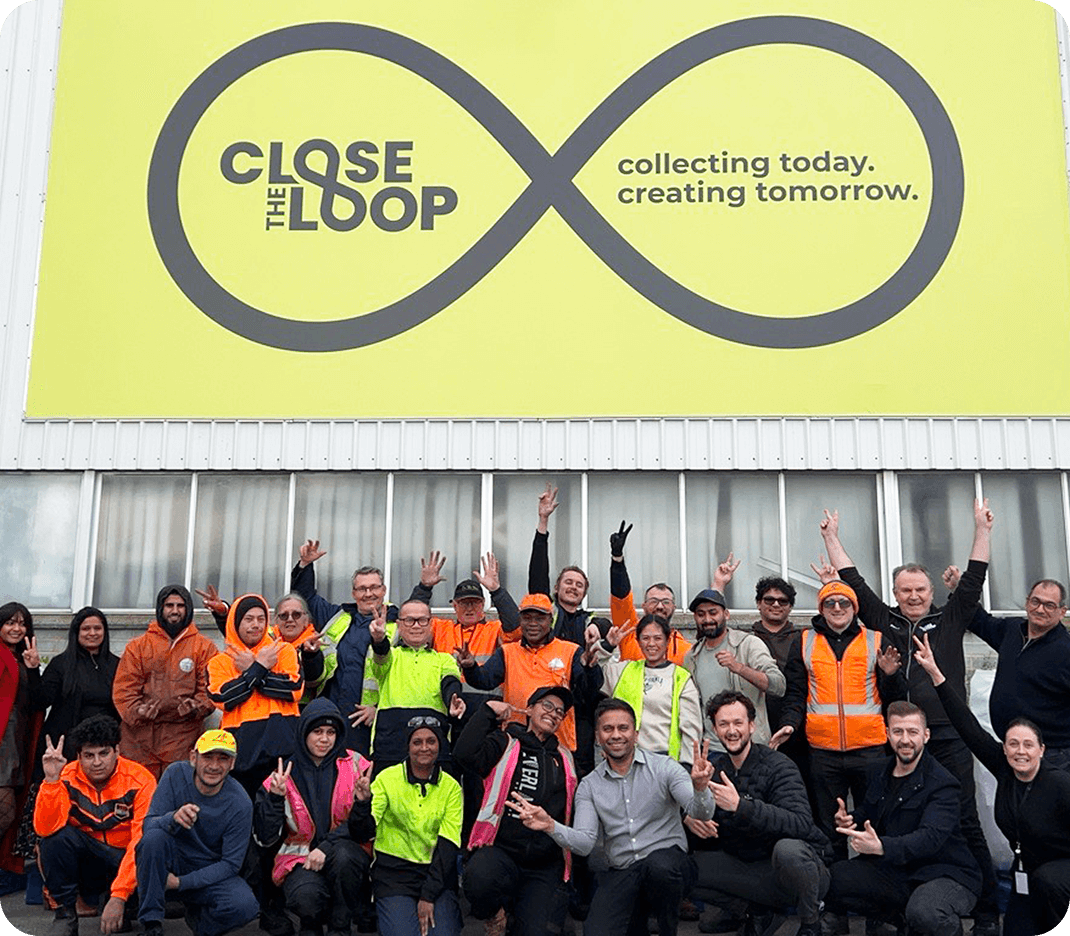
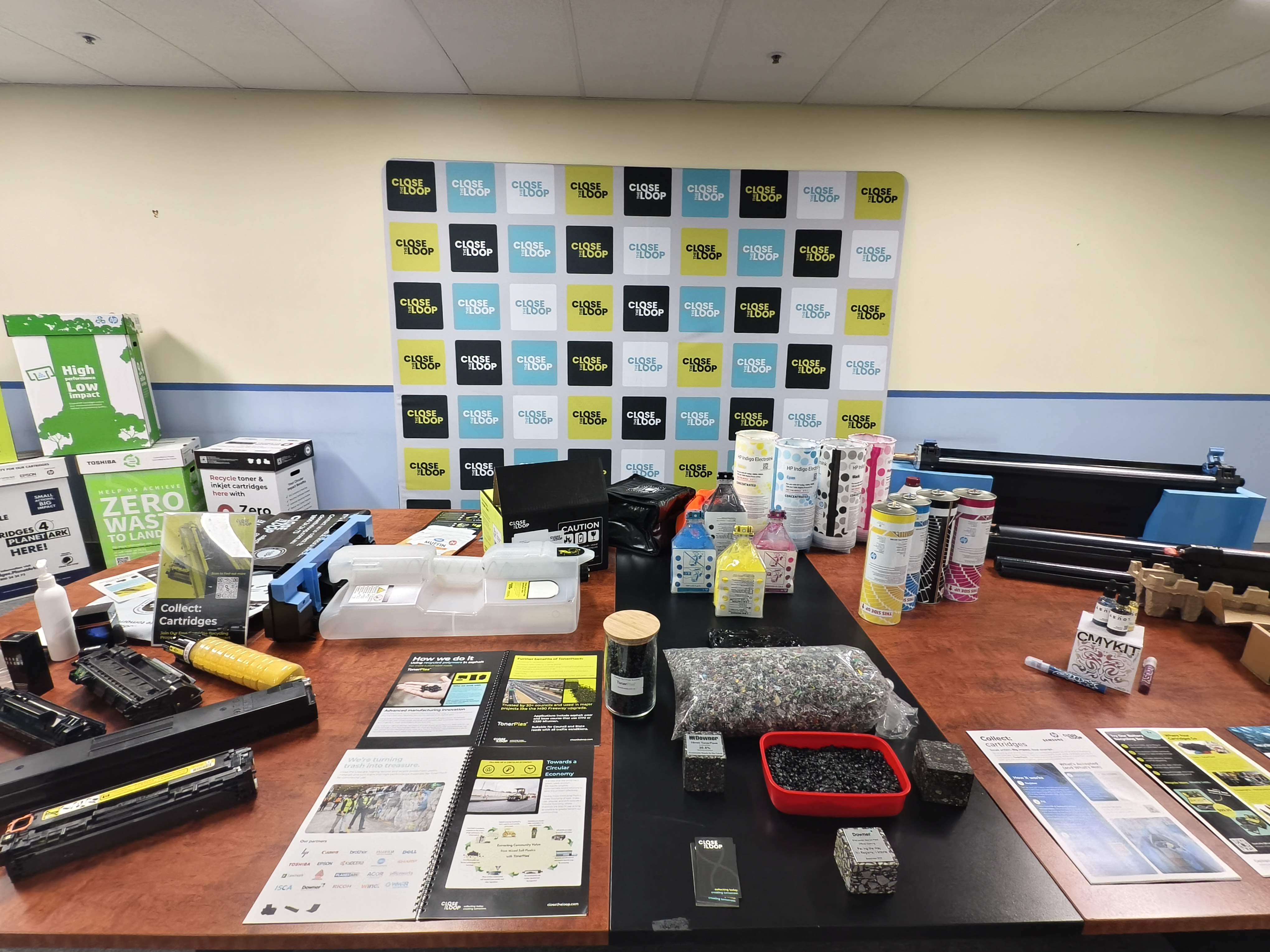
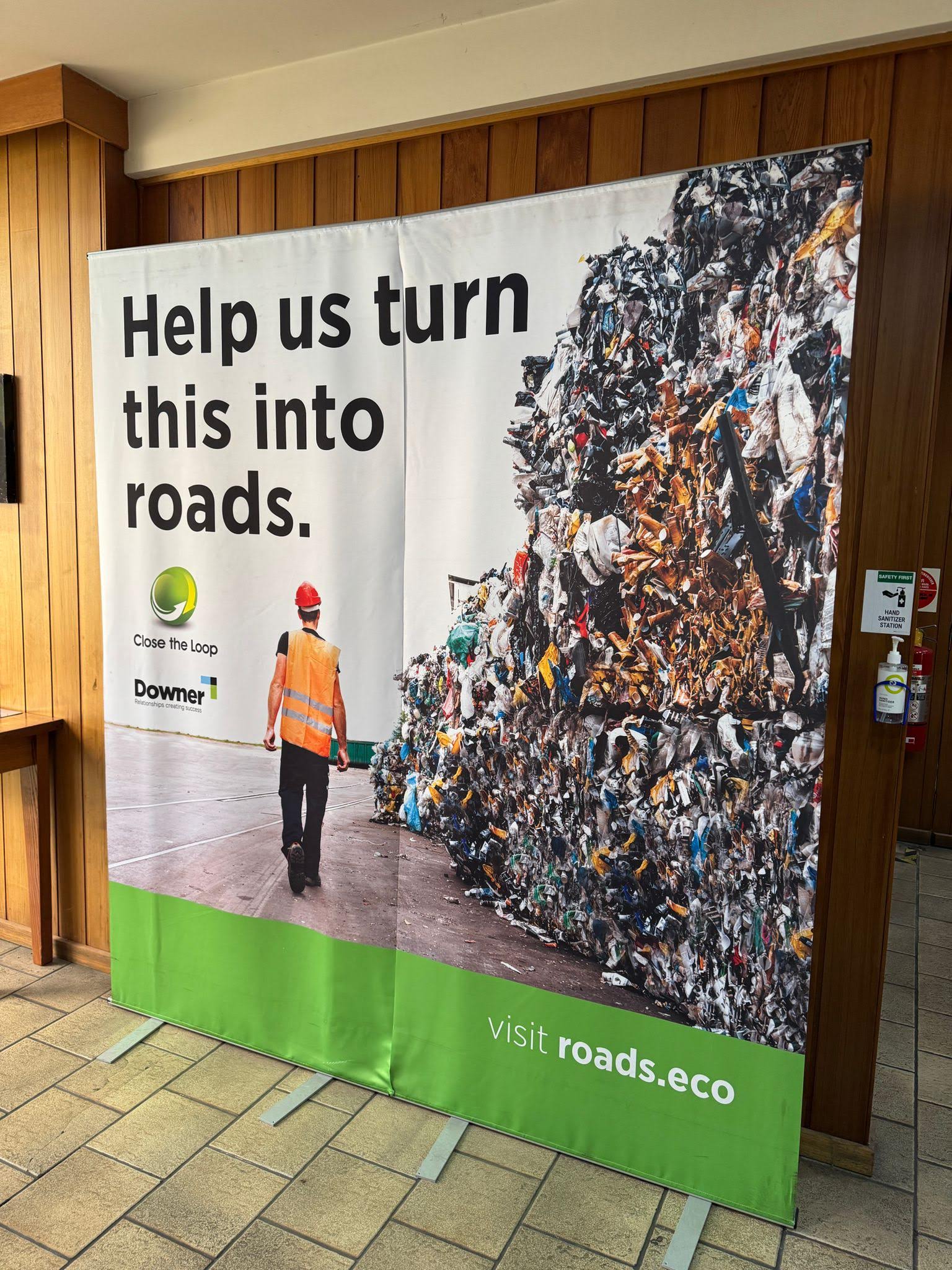
At the Dscoop Melbourne Meet , we visited Close the Loop , a global sustainability company that specializes in collecting and recovering complex waste streams — including print consumables — and turning them back into usable materials instead of landfill. The experience forced us all to confront something pretty simple: This isn’t waste; it's useful material. And we’ve been underestimating its value.
We’ve Been Looking at This the Wrong Way
Every PSP talks about efficiency — clicks, uptime, margins. But we rarely apply that same thinking to what we throw away.
Because if you step back, HP Indigo consumables aren’t insignificant. They're a steady stream of recoverable material leaving your business every day:
• Metal ink cans
• Plastic bottles
• Imaging components
• High-value machine parts
This Is What a Circular System Looks Like
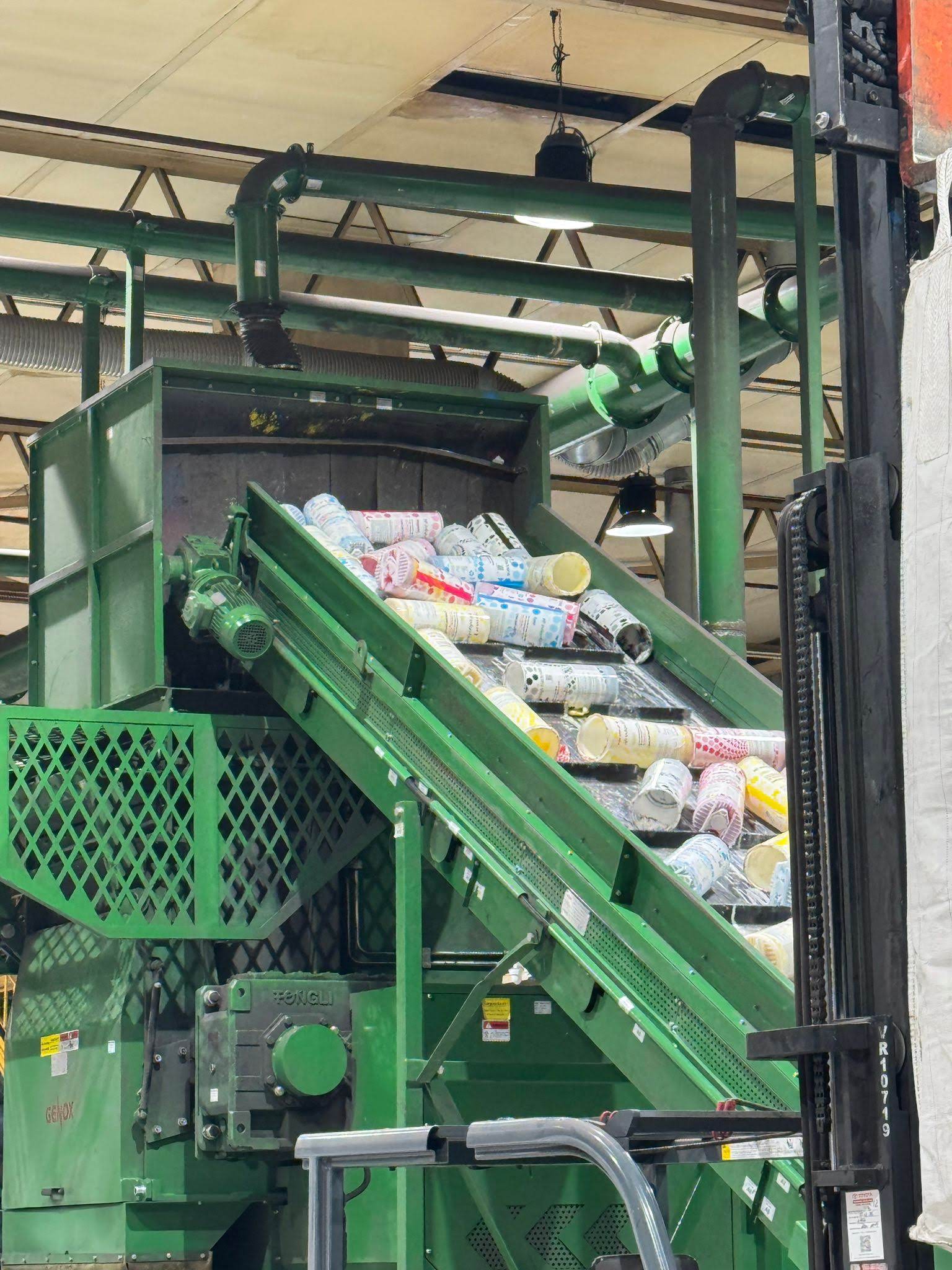
What stood out immediately at Close the Loop is how structured everything is. Nothing gets dumped. Everything is scanned, sorted, processed.
• Plastics like HDPE? Broken down and turned into reusable raw material
• Metals? Recovered and reintroduced into manufacturing
• Large components? Not scrapped—remanufactured and put back into use
Remanufacturing means retaining value. It’s extending the life of components that would otherwise be written off. And from a PSP perspective, that’s just smart.
Brands are Ready. Are You?
Recycling doesn't feel urgent. There’s no immediate pressure. No one’s forcing it. And operationally, it’s easy to ignore.
But that’s exactly why it matters now.
Because the shift is coming from customers. Brands are under pressure to show real sustainability progress. And they’re starting to look closely at their supply chain, including print.
If you can show up with ...
• A structured program
• Measurable data
• A clear story
... then you’re already ahead.
If you can’t—you’ll feel it soon enough.
Sustainability is Data
For those environmentally conscious brands, vague answers don’t cut it anymore. If you can’t quantify your recycling efforts, your "green" messages don't land.
If you’re part of the program, you get reports on ...
• How much you’ve returned
• How much landfill you’ve avoided
• What’s been recovered
That’s the difference between saying you’re doing something "sustainable” and actually proving it.
Free Help is Available
There’s no cost to participate in the HP Planet Partners program , which, honestly, removes the biggest excuse straight away. We're not being asked to invest in new equipment, change our workflow or take on additional cost. We're just being asked to return what we're already using. Participating in the program simply helps to conserve natural resources and reduces the need for raw material extraction.
Additionally, PSPs — and even your customers — can engage directly with Close the Loop to request a starter kit that allows collection of a broader range of materials, from mobile phones and batteries to soft plastics.
So, this is a mindset shift rather than a budget decision.
Final Thought
We spend a lot of time chasing differentiation in print — new applications, faster turnaround, better pricing.
But here’s one that’s been sitting in front of us the whole time.
Not what you print, but what you do with everything after.
And right now, most PSPs are leaving that value on the table.
Peter Barr is Director of Sales at Photo Create in Australia.