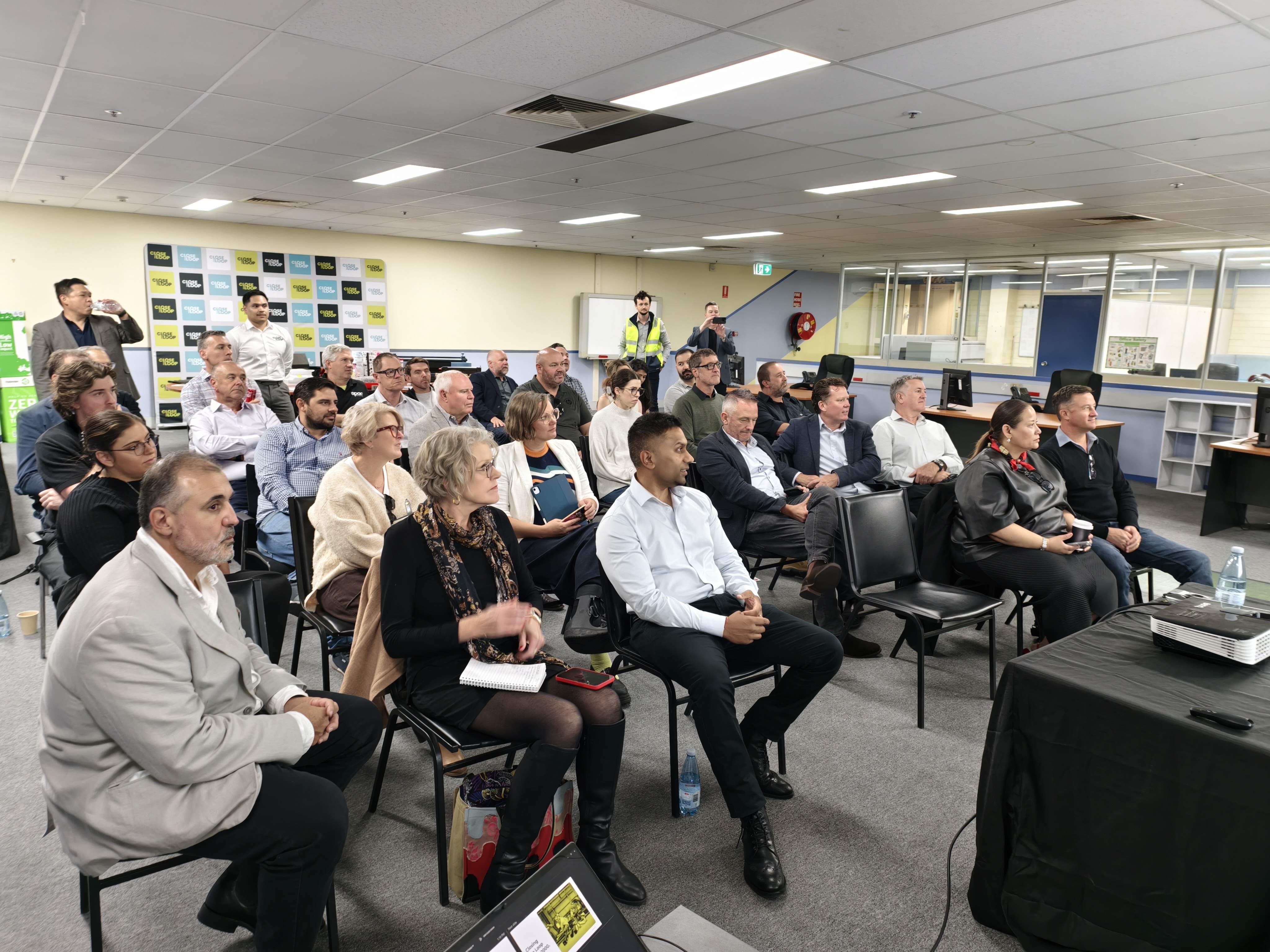
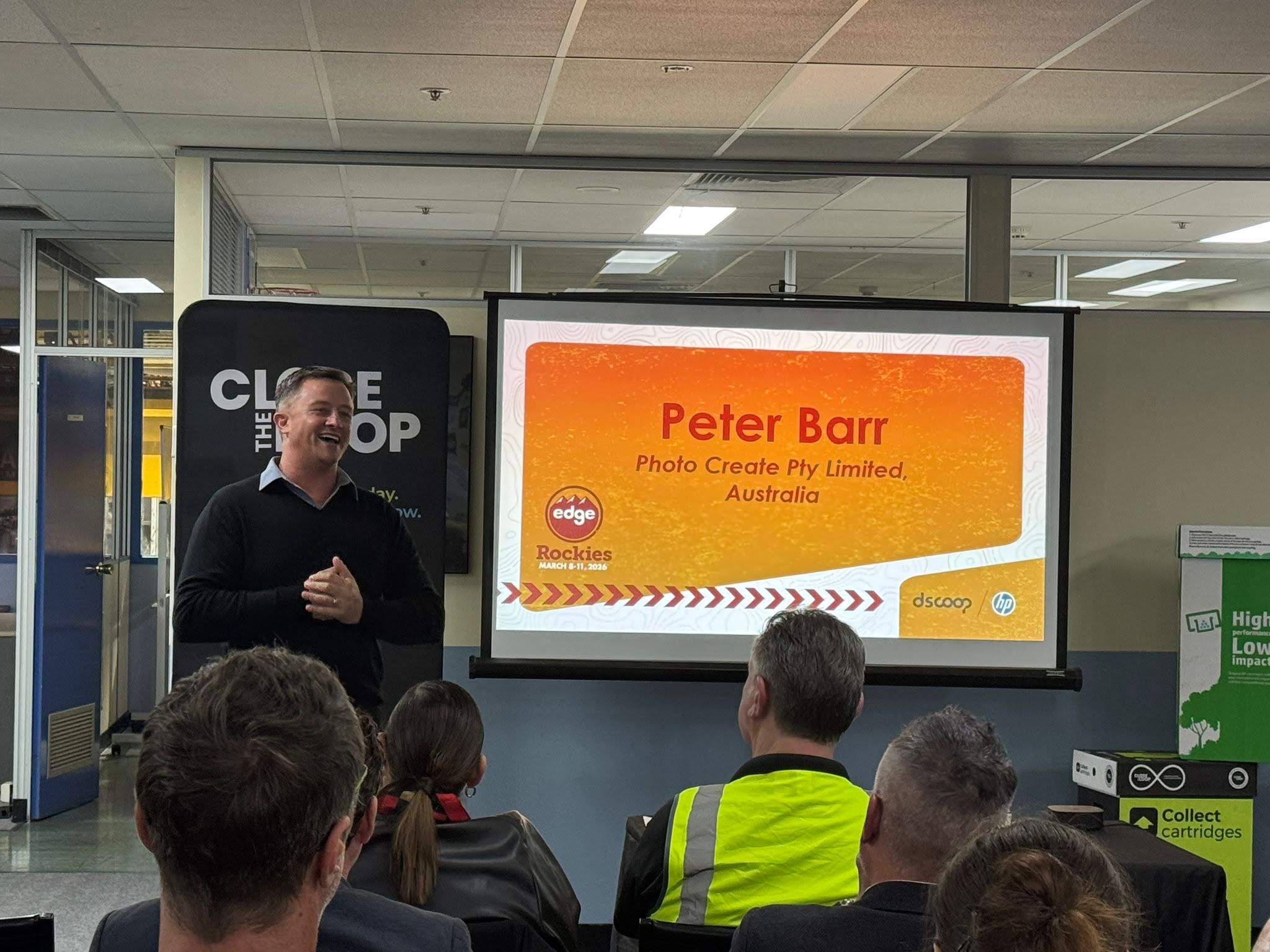
Melbourne’s print and packaging leaders came together this February for a Dscoop Sustainability Forum that cut through the noise and focused on what actually matters: credibility, circularity, and practical action. Co-hosted with HP, Currie Group, Ball & Doggett, and Close the Loop, the event marked a turning point for the Australian print community—moving from talking about sustainability to showing what it looks like in real operations. The message across every session was consistent and unmistakable:
Sustainability is no longer optional—it’s now a commercial filter that determines who gets shortlisted, who gets trusted, and who keeps up.
Craig Walmsley, HP Country Manager for Australia & New Zealand, captured the mood succinctly: “Sustainability is embedded in how our technology works, how our supply chains run, and how we support customers. The HP Indigo platform, combined with our global recycling programs and data-driven reporting, gives printers a measurable way to prove their impact.”
_________________________________________________________________________________________________________
A New Level of Expectation in Australia
Procurement guidelines are sharper. Regulation is tightening—from PFAS bans effective July 2025 to modern slavery and ethical sourcing requirements already embedded in supply chains. Brands are under pressure to verify claims, not just repeat them.
Sustainability now shapes:
- Who gets invited to tender
- What packaging claims brands allow
- Which suppliers remain credible partners
_________________________________________________________________________________________________________
Print Isn’t the Problem. Confusion Is.
Ball & Doggett delivered one of the most impactful sessions of the day, led by Zaidee Jackson, Sustainability & Compliance Manager. Her perspective reframed sustainability from a burden into a strategic advantage for printers. Attendees were encouraged to build capability in three areas:
- Material choice — understand what you’re printing on and why.
- Circular programs — participate in verified, credible recovery pathways.
- Clear language — say only what can be proven and avoid unverified claims.
_________________________________________________________________________________________________________
Circularity in Action: Close the Loop’s Living Example
Their work spans cartridges, cosmetics, soft plastics, batteries, and more—but the numbers tell the story best:
- 7,000+ tonnes of waste diverted from landfill every year
- 17 million printer consumables recovered annually
- Over 760 km of Australian roads paved with TonerPlas®
- Zero waste to landfill, audited
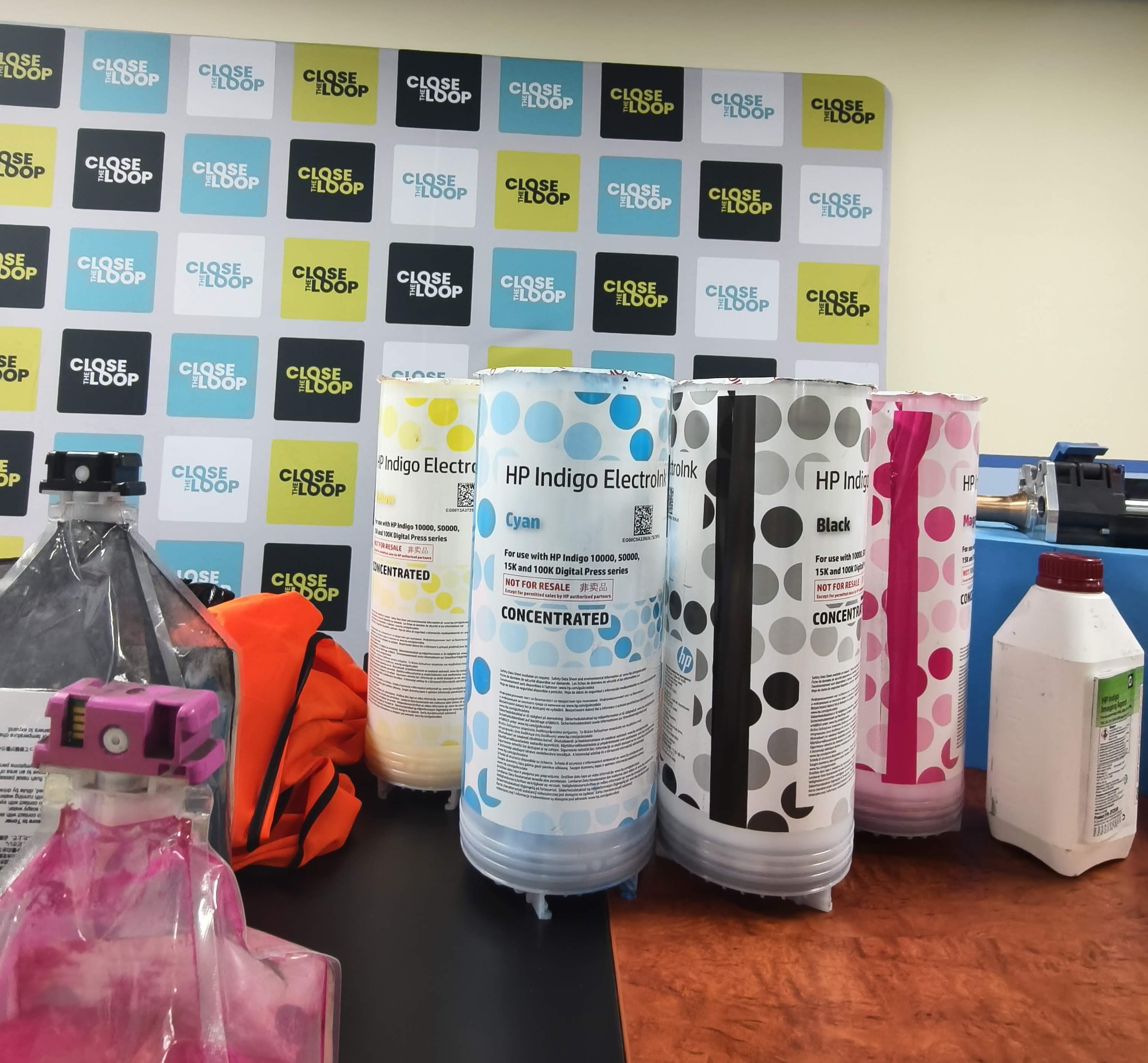
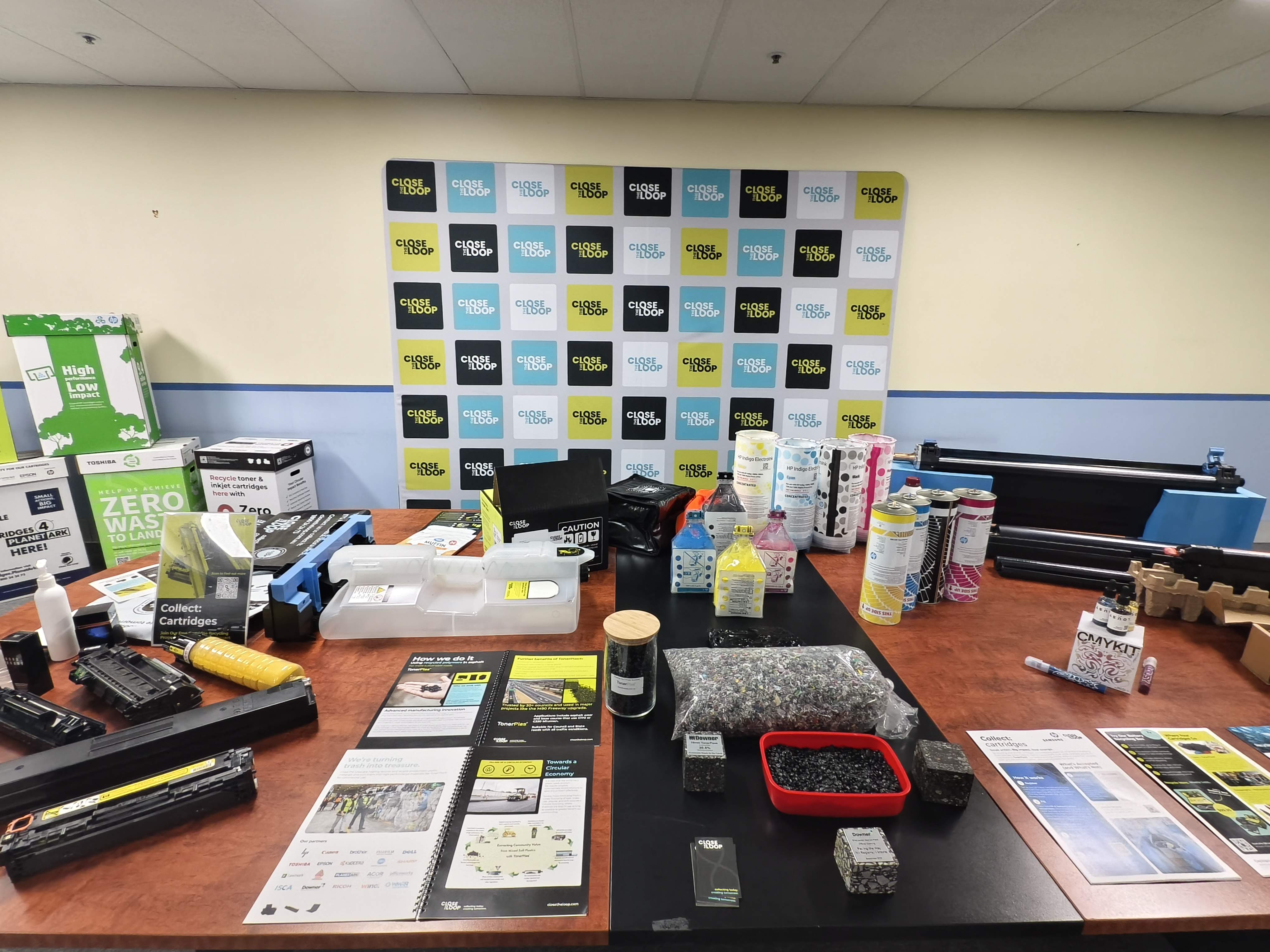
Their Melbourne facility shows what a circular system actually looks like. Everything is scanned, weighed, sorted, tracked, and sent into verified recovery streams. No shortcuts. No greenwashing.
Steve Morriss, Head of Circularity at Close the Loop, made the point that stuck with everyone: “Circularity only matters when it works in practice, not in marketing decks.”
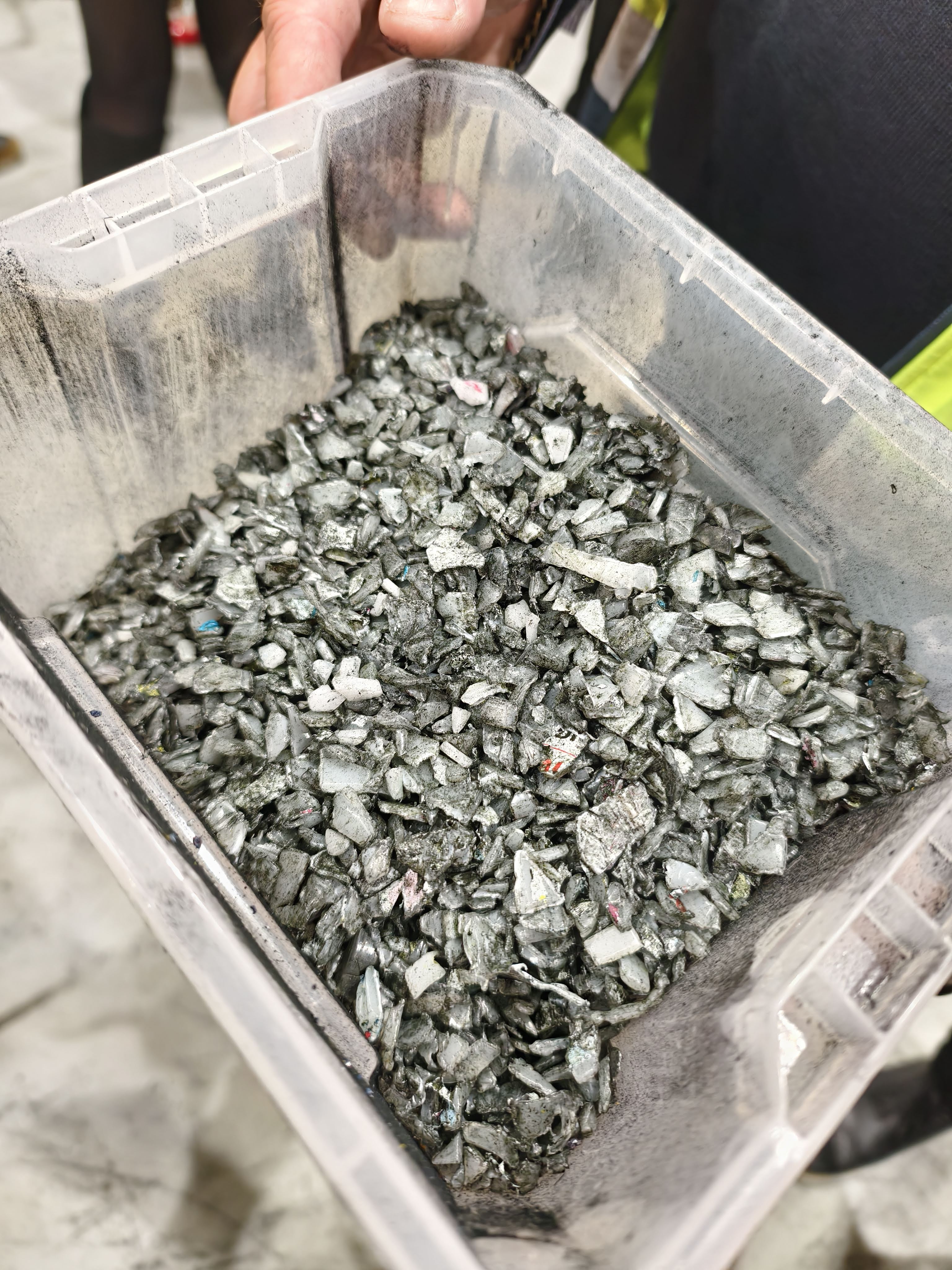
He walked the room through how waste toner becomes a high-performance asphalt additive called TonerPlas®, how soft plastics become rFlex®, and how traceability is now the backbone of ESG reporting. _________________________________________________________________________________________________________
Currie Group: Capability Makes or Breaks Sustainability
Currie Group’s perspective grounded the conversation in operational reality. Sustainability isn’t just about materials; it’s about workflow, uptime, automation and efficiency.
Matt Tangey, Marketing Manager at Currie Group, summed it up well: “HP Indigo has sustainability built into its DNA, from reduced waste and on-demand production to the ability to print only what brands actually need. The technology enables printers to eliminate over-runs, shorten supply chains and deliver genuine efficiency gains.”
As customer specifications continue to tighten, printers will increasingly need equipment — and data transparency — that can withstand regulatory and procurement scrutiny.
_________________________________________________________________________________________________________
Collaboration Is the New Competitive Advantage
Throughout the forum, the message was reinforced: no single player can deliver sustainability alone.
- HP delivers global circular programs and recovery infrastructure.
- Dscoop creates community, learning, and industry leadership.
- Currie Group ensures capability through equipment and workflow excellence.
- Close the Loop delivers verified, zero-landfill recovery outcomes.
- Ball & Doggett brings materials expertise and supply-chain intelligence.
Pete Barr, Dscoop APJ Board member, closed the day with a message that resonated across the room: “No single business can figure this out alone. The strength of Dscoop has always been in the community, printers learning from printers, partners sharing openly, and everyone lifting together.”
_________________________________________________________________________________________________________
How to Participate in HP’s Recycling Program
For HP Indigo users not yet participating in HP Planet Partners, the pathway is straightforward. The program enables the return and verified recycling of HP ink and toner consumables through a structured national recovery network.
Registration details and collection information can be found here:
Participation is no longer just about responsible disposal — it is increasingly part of how printers demonstrate traceable circular practices to brands and procurement teams.
_________________________________________________________________________________________________________
A Turning Point for Dscoop ANZ
The Melbourne Sustainability Forum wasn’t just another industry gathering. It was a signal — a shift in how the community will approach waste, value, and responsibility moving forward.
And judging by the conversations that continued long after the event ended, the action has already begun.